
- Understanding Kuwait's Climate Challenges
- Choosing the Right Growing Season
- Soil Preparation and Improvement
- Water Management Strategies
- Providing Essential Shade Protection
- Best Vegetables for Kuwait's Climate
- Container Gardening Solutions
- Pest and Disease Management
- Fertilization and Plant Nutrition
- Succession Planting and Crop Rotation
- Greenhouse and Protected Growing
- Community Resources and Local Knowledge
- Conclusion
- Related Guides You May Find Helpful
- FAQ
Growing fresh, organic vegetables in your own backyard is a rewarding experience, but how to grow vegetables in Kuwait presents unique challenges that require careful planning and adaptation. Kuwait’s extreme desert climate, characterized by scorching summers exceeding 50°C (122°F), minimal rainfall, and sandy soil, might seem inhospitable to agriculture. However, with the right techniques, plant selection, and timing, you can successfully cultivate a thriving vegetable garden even in this harsh environment. Whether you’re a beginner or an experienced gardener looking to adapt to Kuwait’s conditions, understanding the local climate and implementing proper vegetable gardening tips Kuwait residents swear by will transform your gardening dreams into reality.
Before starting your garden, you may also want to read my guide on the common gardening mistakes Kuwait beginners make to avoid the most preventable issues early.
Understanding Kuwait’s Climate Challenges
Before learning how to grow vegetables in Kuwait, it’s essential to understand the environmental obstacles you’ll face. Kuwait experiences one of the world’s most extreme desert climates, with summer temperatures regularly soaring above 45°C and occasionally reaching 50°C. According to official data from the Kuwait Meteorological Department, the country receives less than 140mm of annual rainfall, concentrated mainly between November and April. The intense solar radiation, low humidity in winter, high humidity in summer, and frequent dust storms create a challenging environment for plant growth.
Since water management is crucial in desert climates, my post on water-saving gardening tips in Kuwait explains practical methods to reduce water usage while keeping plants healthy.
The native soil consists primarily of sand and limestone with poor water retention and minimal organic matter. These conditions mean that without proper amendments and irrigation, most vegetables will struggle to survive. Additionally, the extreme temperature fluctuations between day and night during cooler months can stress plants. Understanding these challenges is the first step in developing effective vegetable gardening tips Kuwait gardeners can implement successfully.
Choosing the Right Growing Season
Timing is everything when you want to learn how to grow vegetables in Kuwait. The primary growing season runs from October through April when temperatures range between 8°C and 30°C. This cooler period provides ideal conditions for most vegetables. Plant cool-season crops like lettuce, spinach, radishes, carrots, and peas between October and November for winter harvests.
For warm-season vegetables such as tomatoes, peppers, eggplants, and cucumbers, start seeds indoors in January or February and transplant them outdoors in March. This timing allows these heat-loving plants to establish before the extreme summer heat arrives. They’ll produce heavily through April and May before temperatures become unbearable. Some hardy varieties can even produce into early June with adequate shade and water.
Summer vegetable growing (June through September) is extremely challenging but not impossible. Focus on heat-tolerant varieties and provide extensive shade protection. Some okra varieties, Armenian cucumber, and certain eggplant cultivars can survive the summer heat with proper care.
Soil Preparation and Improvement

Native Kuwaiti soil requires significant amendment before you can successfully grow vegetables in Kuwait. Following established soil management principles for arid regions, gardeners should focus on improving soil structure and nutrient content through organic amendments.
Start by creating raised beds 30-40cm high, which provide better drainage and allow you to control soil quality completely. Fill these beds with a mixture of:
- 40% imported garden soil or topsoil
- 30% compost or aged manure
- 20% peat moss or coco coir for water retention
- 10% perlite or vermiculite for aeration
This balanced blend creates a nutrient-rich, well-draining medium that retains adequate moisture without waterlogging. You can further enhance your soil by incorporating shredded newspaper, cardboard, or other brown organic materials between layers, which gradually decompose and continue improving soil structure throughout the growing season.
This mixture creates a nutrient-rich, well-draining medium that retains adequate moisture without becoming waterlogged. Add organic matter continuously throughout the growing season by incorporating compost, aged manure, or worm castings. These amendments improve soil structure, increase microbial activity, and provide slow-release nutrients.
Test your soil pH regularly, aiming for 6.0-7.0 for most vegetables. Kuwait’s alkaline groundwater and native soil often require sulfur amendments to lower pH. Adding compost also helps buffer pH levels naturally. These vegetable gardening tips Kuwait experts recommend will transform your soil from barren sand to fertile growing medium within one season.
Insights from ICARDA’s Soil, Water & Agronomy research highlight the importance of increasing organic matter in desert soils—an approach directly applicable to Kuwait’s nutrient-poor sand. Their studies show that adding compost, improving water retention, and using drip irrigation systems dramatically increases plant survival in harsh, arid environments like Kuwait.
Water Management Strategies

Efficient irrigation is crucial when learning how to grow vegetables in Kuwait. The extreme heat and low humidity cause rapid water evaporation, requiring careful water management. Drip irrigation systems are ideal, delivering water directly to plant roots while minimizing evaporation losses. Install timers to automate watering during early morning hours (5-7 AM) when evaporation rates are lowest.
Water requirements vary by season. During peak summer, vegetables may need watering twice daily, while winter crops might require watering only every 2-3 days. Always check soil moisture before watering by inserting your finger 5cm into the soil. If it feels dry, water deeply until moisture reaches 20-30cm depth.
Apply 5-10cm of organic mulch around plants to reduce evaporation, moderate soil temperature, and suppress weeds. Use straw, dried grass clippings, or shredded leaves. Mulching can reduce water needs by up to 50% while improving soil quality as it decomposes. Consider installing moisture sensors connected to your irrigation system for precise watering.
Providing Essential Shade Protection
Managing intense sunlight is one of the most important vegetable gardening tips Kuwait gardeners must master, especially when learning how to grow vegetables in Kuwait successfully. Even during the cooler growing season, Kuwait’s intense solar radiation can stress plants and reduce yields. Install shade cloth structures over your garden, using 30–50% shade cloth for most vegetables during the main season. Increase to 70–80% shade during late spring and any summer growing attempts.
Shade structures can be permanent or temporary. Build simple frames using PVC pipes or metal posts with shade cloth attached securely to withstand strong winds. Position shade cloth 2–3 meters above plants to allow air circulation while providing protection. Orient structures to provide maximum shade during the intense midday sun (11 AM – 3 PM).
If you’re setting up your first garden, Home Gardening Kuwait beginner’s guide also explains simple ways to create cooler microclimates for plants.
Some gardeners use natural shade by planting near north-facing walls or under pergolas covered with climbing plants. Vertical gardening on trellises also helps, as taller plants like tomatoes or beans can shade lower-growing crops like lettuce. During extreme heat waves, add additional temporary shade layers to protect your investment.
Best Vegetables for Kuwait’s Climate
Research from ICARDA’s Climate-Smart Crops program shows that heat-tolerant and drought-resistant varieties perform significantly better in arid regions like Kuwait. Their work on resilient vegetable cultivars aligns closely with what home gardeners face here—extreme heat, low rainfall, and rapid moisture loss. Choosing varieties bred for hot, dry climates greatly improves success rates for Kuwait gardeners.
Selecting appropriate varieties is essential for success when learning how to grow vegetables in Kuwait. Cool-season vegetables that thrive include leafy greens (lettuce, spinach, arugula, kale), root vegetables (carrots, radishes, beets, turnips), brassicas (broccoli, cauliflower, cabbage), and legumes (peas, fava beans).
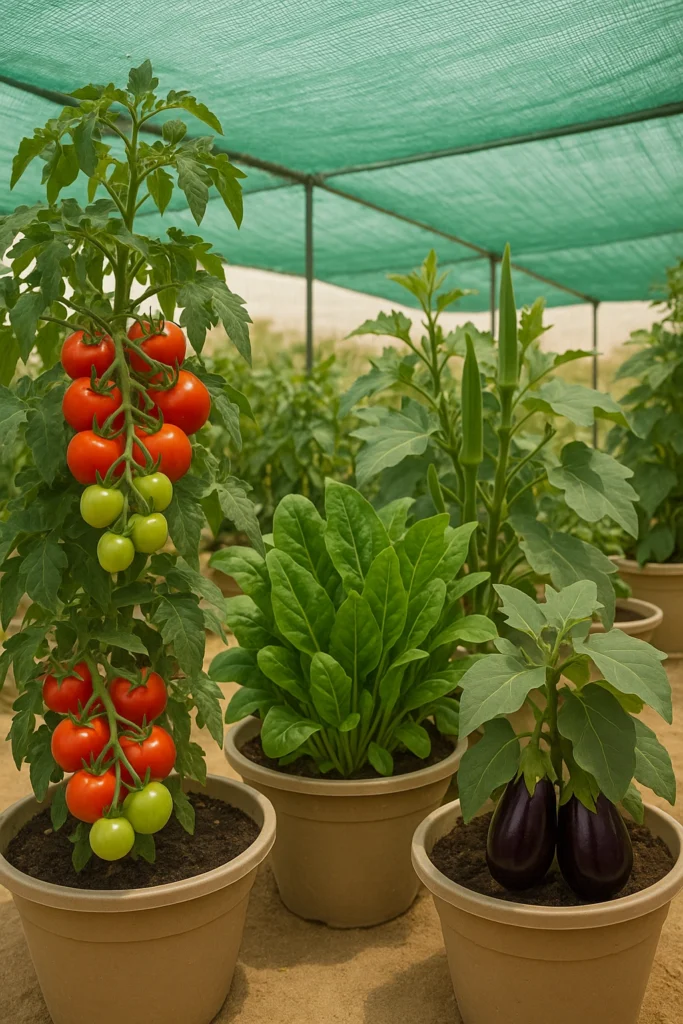
Warm-season vegetables that perform well with proper care include tomatoes (choose heat-tolerant varieties like ‘Phoenix’ or ‘Heatwave’), peppers (both sweet and hot varieties), eggplants (particularly Middle Eastern varieties), cucumbers, squash, okra, and beans. Herbs like mint, basil, cilantro, parsley, and dill are generally easy to grow and provide fresh flavors year-round with proper protection.
Focus on varieties bred for heat tolerance and short growing seasons. Middle Eastern and Mediterranean varieties often perform better than European or temperate varieties. Local nurseries increasingly stock region-appropriate seeds and seedlings. These vegetable gardening tips Kuwait farmers use will help you choose varieties with the highest success rates.
Container Gardening Solutions
Container gardening offers excellent flexibility for those learning how to grow vegetables in Kuwait, especially for renters or anyone with limited outdoor space. Containers make it easier to move plants to ideal light conditions, control soil quality, and protect vegetables from extreme weather. Choose containers at least 30cm deep for most vegetables, with larger pots (40–50cm) recommended for tomatoes, peppers, and eggplants.
Ensure containers have proper drainage holes to prevent waterlogging. Use a high-quality potting mix specially formulated for containers, as regular garden soil becomes too compacted. Because container plants dry out faster than in-ground crops, they often require more frequent watering—sometimes twice daily during hot periods.
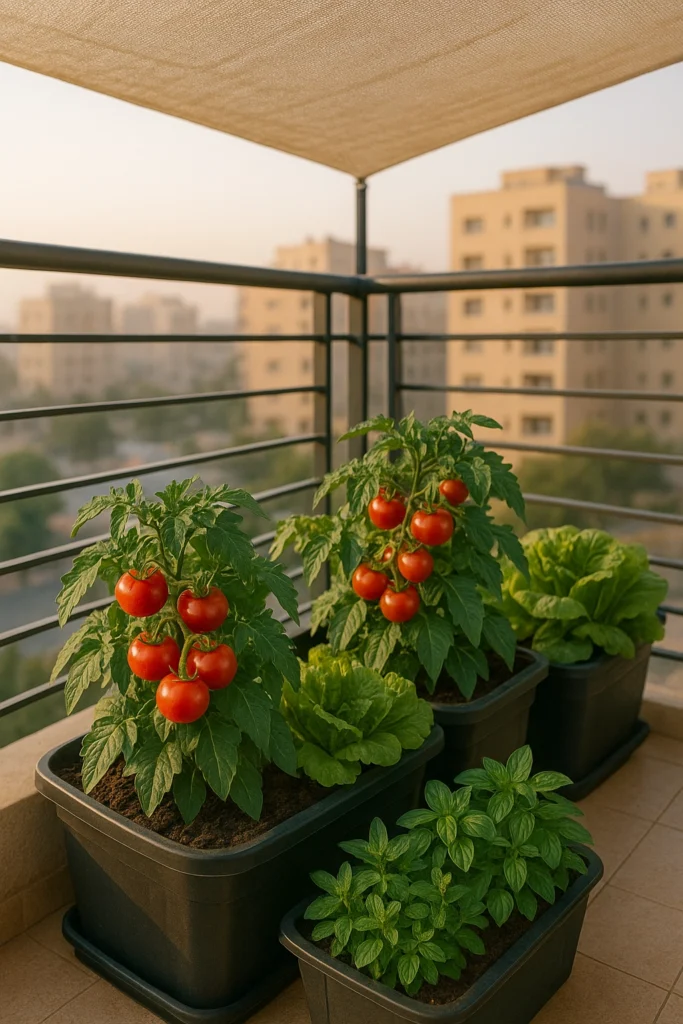
Position containers where they receive morning sunlight but afternoon shade, or use mobile stands to adjust placement during the day. Grouping containers together helps create a cooler microclimate with higher humidity. This method works especially well for herbs, lettuce, radishes, cherry tomatoes, and peppers, making it one of the most practical vegetable gardening tips Kuwait apartment gardeners can follow successfully.
Pest and Disease Management
Integrated pest management is crucial when you grow vegetables in Kuwait. Common pests include aphids, whiteflies, spider mites, and caterpillars. The dry climate actually reduces some fungal diseases but concentrates pest problems. Inspect plants regularly, checking undersides of leaves where pests often hide.
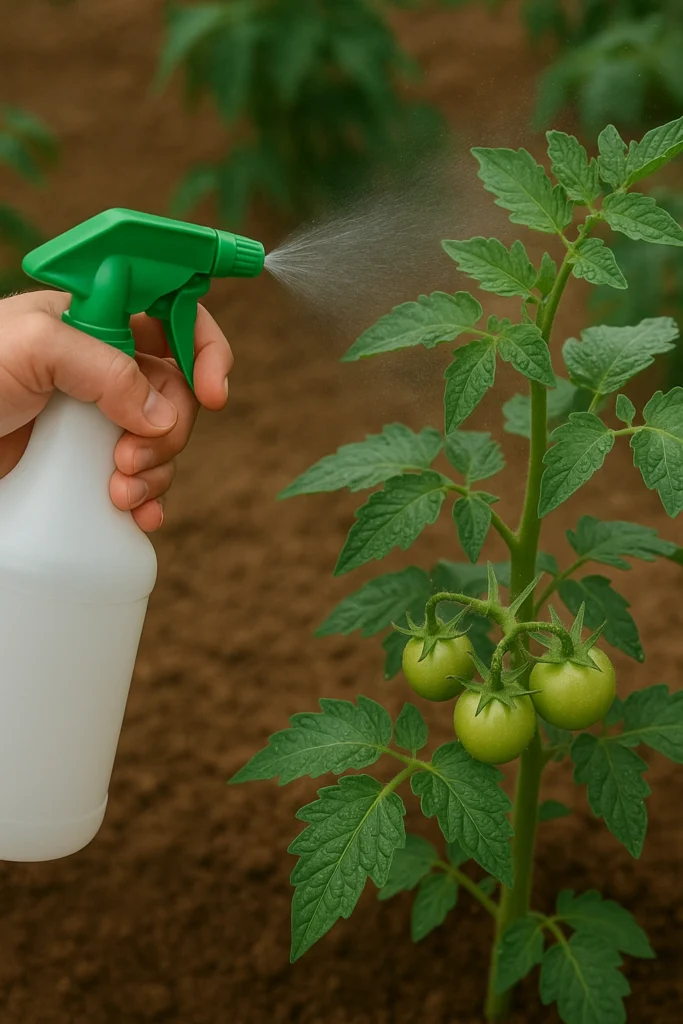
Use organic solutions first: spray strong water jets to dislodge aphids, introduce beneficial insects like ladybugs, apply neem oil for general pest control, and use insecticidal soap for soft-bodied insects. Install yellow sticky traps for whiteflies and physical barriers like row covers for caterpillar protection.
Prevent diseases by ensuring proper spacing for air circulation, watering at soil level rather than overhead, removing affected plant material immediately, and practicing crop rotation. The dry climate means fungal diseases are less problematic than in humid regions, but powder mildew can still occur during humid winter nights. Apply preventative organic fungicides like sulfur or copper if needed.
Fertilization and Plant Nutrition
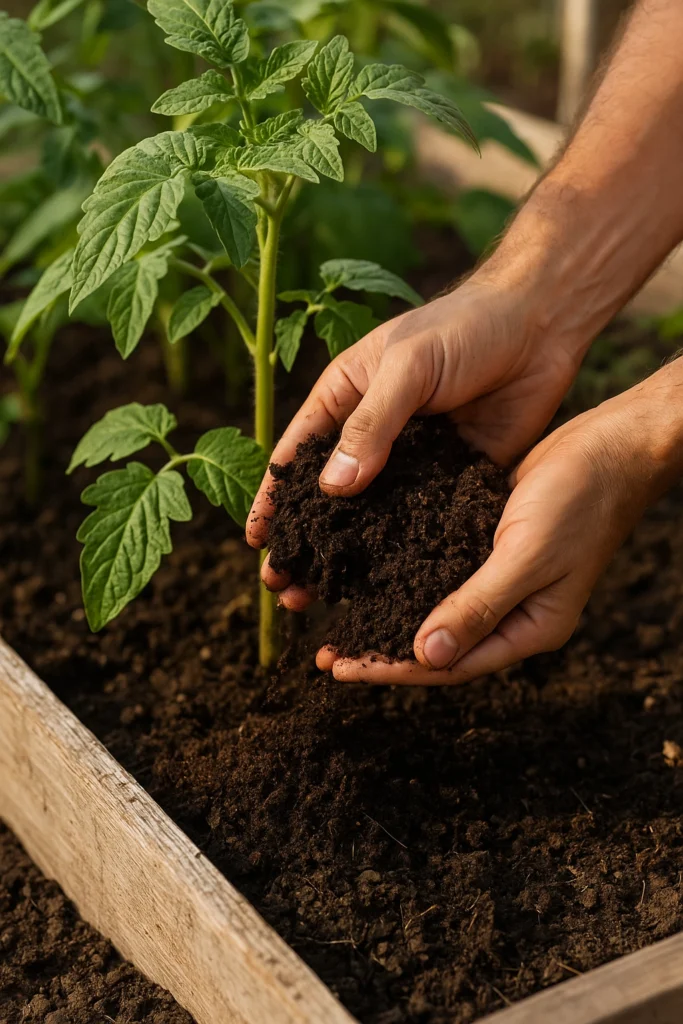
Proper fertilization supports healthy growth when learning how to grow vegetables in Kuwait. The sandy soil and frequent irrigation leach nutrients quickly, requiring regular supplementation. Use a balanced organic fertilizer (10-10-10 NPK) at planting, then switch to fertilizers matching your vegetables’ growth stage.
Leafy greens need nitrogen-rich fertilizers, while fruiting vegetables require phosphorus and potassium during flowering and fruiting. Apply compost tea or liquid seaweed fertilizer every 2-3 weeks for steady nutrient supply. Avoid over-fertilization, which causes rapid, weak growth susceptible to pests and heat stress.
Incorporate slow-release organic fertilizers like bone meal, blood meal, and fish meal into soil before planting. These provide steady nutrition over several months. Watch for nutrient deficiency signs: yellowing leaves (nitrogen deficiency), purple-tinged leaves (phosphorus deficiency), or brown leaf edges (potassium deficiency). These vegetable gardening tips Kuwait professionals use ensure robust plant health.
Succession Planting and Crop Rotation
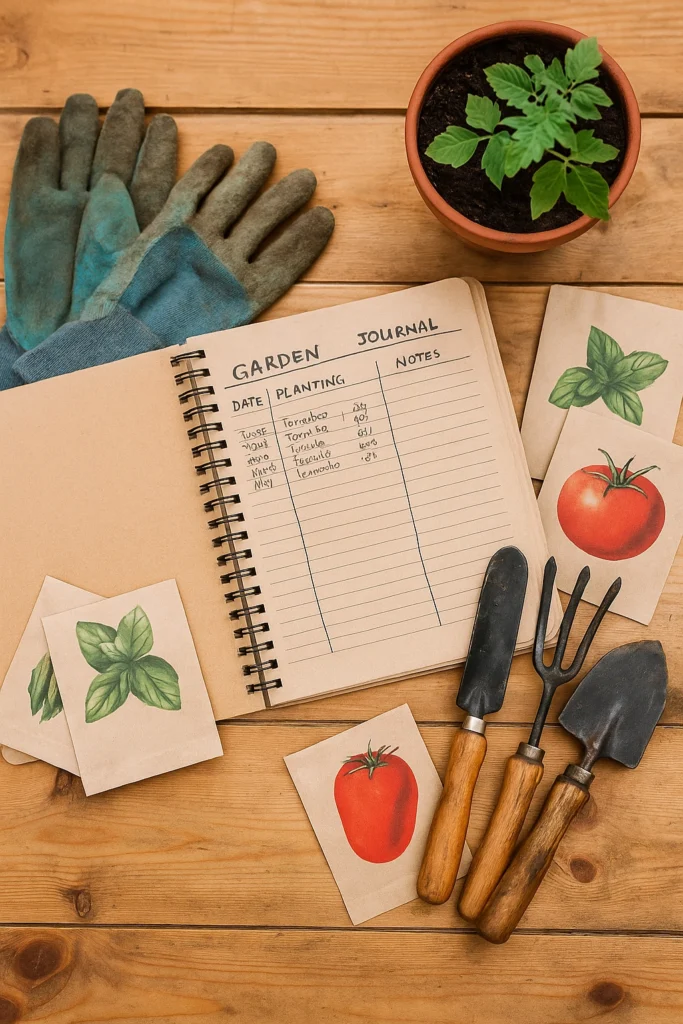
Maximize your harvest by implementing succession planting when you learn how to grow vegetables in Kuwait. Instead of planting all seeds at once, sow small batches every 2–3 weeks throughout the growing season. This method works especially well for fast-growing crops like lettuce, radishes, and beans, giving you steady, continuous harvests rather than one large glut.
Practice crop rotation to prevent soil depletion and reduce pest buildup. Divide your garden into sections and rotate plant families annually. Follow heavy feeders (tomatoes, peppers) with soil-enriching legumes (peas, beans), then light feeders (root vegetables), and finally leafy greens. This rotation system maintains soil fertility and disrupts pest life cycles effectively.
In Kuwait’s short growing window, succession planting becomes even more essential for maximizing productivity. Start cool-season crops early in October, sow mid-season varieties in November, and plant late-season varieties in December for harvests that last through March and April. These techniques remain among the most practical vegetable gardening tips Kuwait gardeners rely on for consistent success.
Greenhouse and Protected Growing
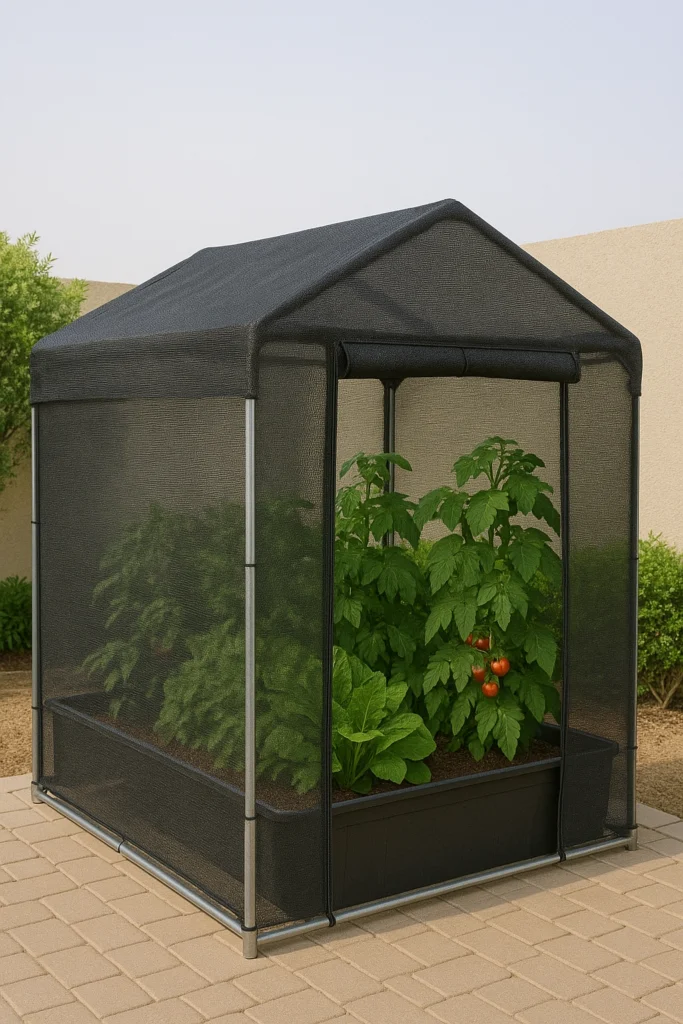
For serious gardeners wanting to grow vegetables in Kuwait year-round, consider protected growing structures. Shade houses (structures covered with shade cloth rather than glass) work better than traditional greenhouses in Kuwait’s climate. They protect from extreme sun and wind while allowing airflow.
For winter growing, simple cold frames or low tunnels covered with clear plastic extend the season and protect from occasional frost. These structures trap heat during cool nights while opening during the day prevents overheating. Even basic protection can add 4-6 weeks to your growing season on both ends.
Greenhouse growing during summer requires extensive cooling systems including evaporative coolers, exhaust fans, and heavy shade cloth. Most home gardeners find this impractical, but commercial operations successfully use climate-controlled greenhouses. For home gardens, focus on optimizing the natural October-April season rather than fighting summer extremes.
Community Resources and Local Knowledge
Connect with other gardeners to learn how to grow vegetables in Kuwait more effectively. Join local gardening groups on social media where members share experiences, seeds, and practical vegetable gardening tips Kuwait residents rely on. The Kuwait Permaculture and Gardening community also offers workshops, meetups, and plant exchange events.
Visit local nurseries that specialize in vegetables to find region-appropriate varieties and expert guidance. Staff members are familiar with Kuwait’s harsh climate and can recommend heat-tolerant varieties with proven success rates. Many nurseries even provide custom soil mixes and organic amendments tailored to local growing conditions.
Consider attending agricultural exhibitions and workshops organized by Kuwait’s Public Authority for Agriculture Affairs and Fish Resources. These events introduce new techniques, connect gardeners with suppliers, and offer valuable access to agricultural extension services that provide free consultations.
✅ Ready to Master Kuwait Gardening?
You’ve discovered how to turn Kuwait’s tough climate into your gardening advantage! 🌞🌱
Now, take the next step — plan your perfect garden season with our Exclusive Kuwait Gardening Calendar & Checklist.
It’s your easy guide to what to plant, when to water, and how to grow beautifully.
🎁 Get Your Exclusive Kuwait Gardening CalendarConclusion
Learning how to grow vegetables in Kuwait requires adapting traditional gardening techniques to extreme desert conditions, but the rewards of fresh, homegrown produce make the effort worthwhile. Success depends on choosing the right growing season (October through April), selecting climate-appropriate varieties, providing adequate shade and water, and continuously improving soil quality. Container gardening offers flexibility for those with limited space, while raised beds provide optimal control over growing conditions.
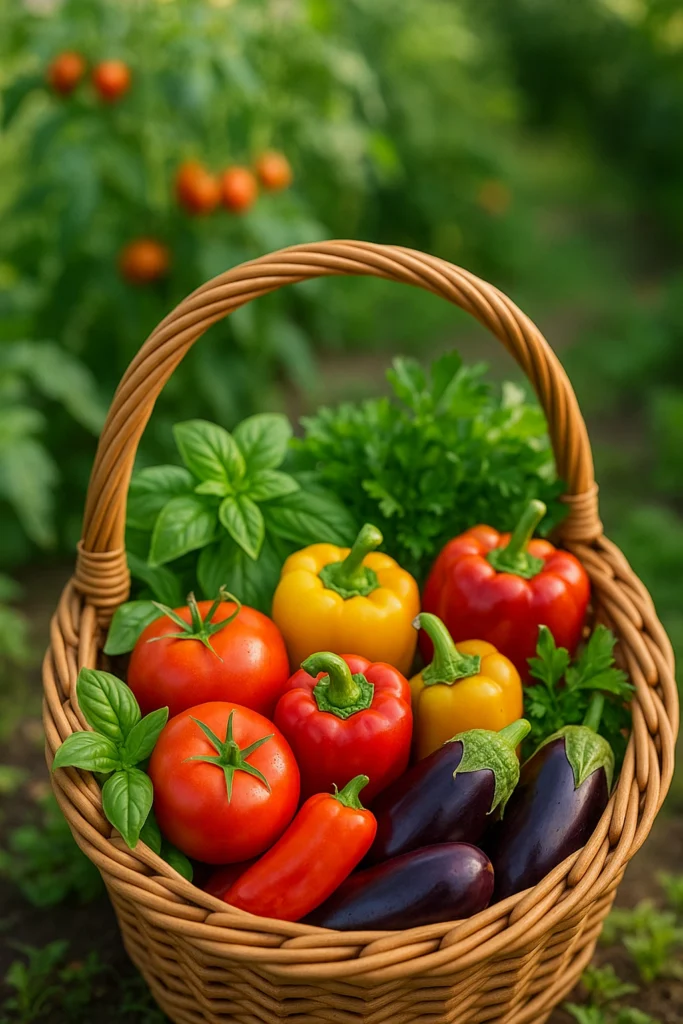
Implement the vegetable gardening tips Kuwait gardeners have proven successful: use drip irrigation for water efficiency, apply heavy mulch to conserve moisture, install shade cloth to protect from intense sun, and focus on heat-tolerant varieties. Start small, learn from each season, and gradually expand as you gain experience with Kuwait’s unique challenges.
The key is patience and persistence. Your first season might bring modest results, but each year builds knowledge and improves your soil. Connect with local gardening communities, experiment with different techniques, and adapt strategies to your specific microclimate. With proper planning and care, you’ll enjoy fresh, organic vegetables from your Kuwait garden throughout the cooler months, proving that even in one of Earth’s harshest climates, nature finds a way when given the right support.
Related Guides You May Find Helpful
- 🌱 Home Gardening Kuwait – Beginner’s Guide
A complete introduction for new gardeners starting their first Kuwait-friendly garden. - 💧 Water-Saving Gardening Kuwait – Practical Tips
Learn effective techniques to reduce water usage while keeping plants healthy in desert conditions. - ⚠️ 7 Gardening Mistakes Kuwait Beginners Make
Avoid the most common errors gardeners make in Kuwait’s challenging climate.
FAQ
1.What is the best time to grow vegetables in Kuwait?
The optimal time to grow vegetables in Kuwait is from October through April when temperatures range between 8°C and 30°C. Plant cool-season crops like lettuce and carrots in October-November, while warm-season vegetables like tomatoes and peppers should be started indoors in January-February and transplanted in March for harvests through May.
2.Can I grow vegetables in Kuwait during summer?
Growing vegetables during Kuwait’s summer (June-September) is extremely challenging but not impossible. Focus on heat-tolerant varieties like okra, Armenian cucumber, and certain eggplant cultivars. You’ll need to provide 70-80% shade cloth coverage, water twice daily, and expect lower success rates compared to the cooler season.
3.What vegetables grow best in Kuwait’s climate?
The best vegetables for Kuwait include cool-season crops (lettuce, spinach, carrots, radishes, broccoli, peas) and heat-tolerant warm-season varieties (tomatoes, peppers, eggplants, okra, cucumbers). Middle Eastern and Mediterranean varieties generally outperform European varieties. Herbs like mint, basil, cilantro, and parsley also thrive with proper care.
4.How often should I water vegetables in Kuwait?
Watering frequency depends on the season and plant type. During the main growing season (October-April), most vegetables need watering every 2-3 days. In late spring and early summer, daily watering becomes necessary. Use drip irrigation, water early morning, apply mulch to conserve moisture, and always check soil moisture before watering to avoid overwatering.
5.Do I need shade cloth for growing vegetables in Kuwait?
Yes, shade cloth is essential for successful vegetable growing in Kuwait. Use 30-50% shade cloth during the main season and increase to 70-80% for late spring or summer growing. Shade cloth protects plants from intense solar radiation, reduces water evaporation, lowers soil temperature, and significantly improves vegetable quality and yields.
6.What type of soil is best for vegetables in Kuwait?
Kuwait’s native sandy soil requires significant improvement. Create a mix of 40% imported topsoil, 30% compost or aged manure, 20% peat moss or coco coir, and 10% perlite. This combination provides proper drainage, water retention, and nutrients. Continuously add organic matter throughout the growing season to maintain soil quality.
7.Is container gardening effective in Kuwait?
Container gardening is highly effective in Kuwait and offers excellent flexibility. Use containers at least 30cm deep with drainage holes, filled with quality potting mix. Containers allow you to move plants to optimal locations, control soil quality, and protect from extreme weather. They’re ideal for herbs, lettuce, radishes, and compact vegetable varieties.
8.How do I protect vegetables from pests in Kuwait
Common pests include aphids, whiteflies, and spider mites. Use integrated pest management: inspect plants regularly, spray pests off with water, introduce beneficial insects, apply neem oil or insecticidal soap, install yellow sticky traps, and use row covers for protection. The dry climate reduces fungal diseases but requires vigilant pest monitoring.
9.Can I grow organic vegetables in Kuwait?
Yes, you can successfully grow organic vegetables in Kuwait. Use compost and aged manure for soil fertility, apply organic fertilizers, implement natural pest control methods, practice crop rotation, and use mulch for weed suppression. Kuwait’s dry climate actually makes organic growing easier by reducing fungal disease pressure compared to humid climates.
10.Where can I buy vegetable seeds and plants in Kuwait?
Purchase seeds and seedlings from local nurseries specializing in vegetables, which stock region-appropriate varieties. Some popular options include agricultural nurseries in Kuwait City and Jahra. You can also order seeds online from Middle Eastern suppliers specializing in heat-tolerant varieties. Local gardening groups often organize seed exchanges for members.