

There’s a moment almost every mother knows — you’re standing in the kitchen, the kids are crying, dinner is burning, and you feel… nothing. Not anger. Not love. Just empty. If that sounds familiar, you may already be living with mom burnout signs that have quietly built up over months without anyone — including you — noticing.
Mom burnout is not just a bad week. It’s not being tired after a late night. It’s a deep, bone-level exhaustion that comes from giving everything, every single day, with no real recovery. And because mums keep showing up no matter how they feel, these mom burnout signs often go unrecognised until things are at breaking point.
In this post, we’ll walk through 11 clear mom burnout signs, what causes them, and — most importantly — what you can actually do to start feeling like yourself again. Because you deserve more than just surviving motherhood.
What Is Mom Burnout? (And Why It’s Not the Same as Tiredness)
Burnout is not a personality flaw. It’s not a sign you’re failing at motherhood. According to NHS Every Mind Matters, burnout is a state of chronic physical, emotional, and mental exhaustion caused by sustained, unrelieved stress — and it affects mothers more often than most people realise.
Unlike regular tiredness (which a decent night’s sleep can fix), the signs of mom burnout build slowly over weeks and months. It often starts as feeling a little more irritable, a little less patient — until one day, you realise you’re not just tired. You’re completely done.
Research from Clinical Psychological Science identifies parental burnout as a distinct syndrome — separate from work burnout — brought on by the relentless demands of caregiving with insufficient support or recovery time. Knowing the difference between exhaustion and burnout is the first step toward getting the help you deserve.
11 Mom Burnout Signs You Should Never Ignore
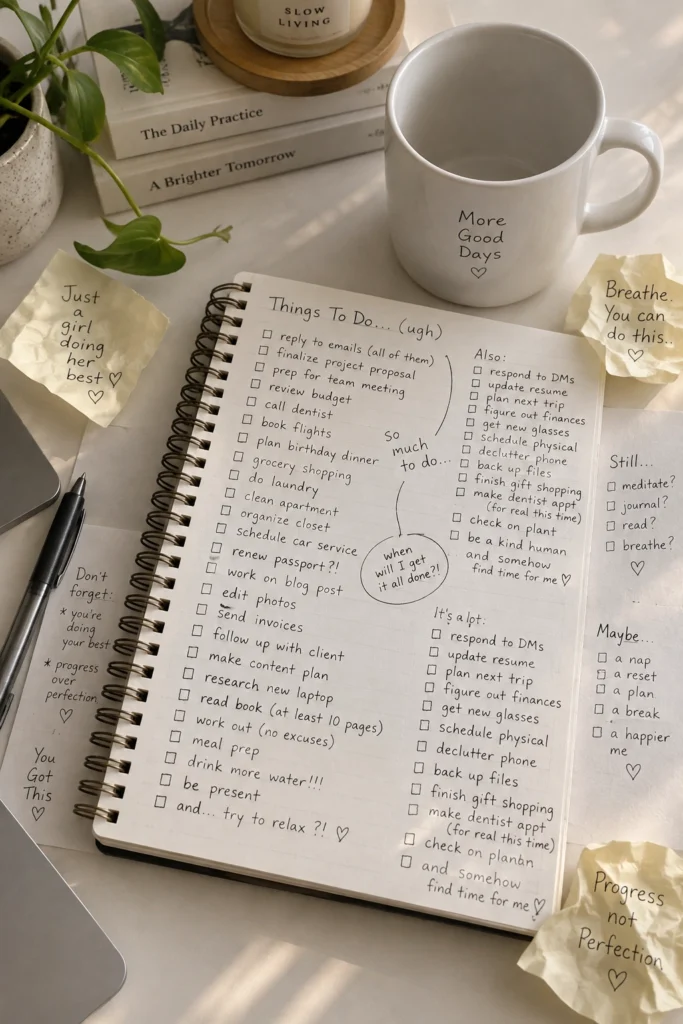
1. You Wake Up Already Exhausted
One of the most telling mom burnout signs is waking up completely drained — regardless of how many hours you slept. Your mind never truly switches off. You lie awake running through tomorrow’s tasks, replaying conversations, or worrying about the children. Sleep happens, but rest doesn’t. Chronic stress can leave you feeling as though you’re constantly on alert, making it difficult to feel genuinely rested even after sleep, and morning brings no relief.
2. Everything Feels Like a Chore — Including Cuddles
When burnout takes hold, even the things you used to love start to feel heavy and obligatory. Bedtime stories become a task to tick off. Morning cuddles feel like an effort. If you find yourself watching the clock during playtime or dreading the school run you once didn’t mind, these are real mom burnout signs that deserve your attention — not your guilt.
3. You Feel Emotionally Detached from Your Children

This is one of the most painful and least talked-about mom burnout signs — feeling emotionally numb or disconnected from your own children. You love them deeply. But right now, you’re going through the motions. You’re present in the room but absent in the moment. Like a robot doing the job of a mother.
This emotional detachment is not a reflection of how much you love your children. It’s a symptom of a system so depleted it has begun protecting itself by shutting feelings down.
4. You’re Snapping at Everyone and Then Drowning in Guilt
Short fuse? Yelling over small things and immediately regretting it? Disproportionate irritability is a classic mom burnout sign. The guilt cycle — snap, regret, apologise, repeat — is exhausting on its own. And the guilt doesn’t help recovery; it just adds another emotional weight to carry.
5. You’ve Lost Your Sense of Self
Who were you before you became Mum? What did you enjoy? What made you laugh? If you can’t answer — or if the question makes your throat tighten — you may be experiencing one of the deeper mom burnout signs: the gradual disappearance of the woman behind the role. Hobbies, friendships, and identity quietly erode until mum is the only thing left.
6. You Feel Completely Alone — Even in a Full House
Isolation is a sneaky mom burnout sign. You can be surrounded by your partner, your children, and your family and still feel profoundly, achingly alone. Nobody truly gets it. Nobody sees the invisible labour, the mental load, the way you carry everything. And at some point, you’ve stopped trying to explain it.
7. You’re Fantasising About Just… Disappearing for a While
Daydreaming about a solo hotel room, a long drive with no destination, or simply sitting in silence without anyone needing you — these thoughts are more common among burned-out mums than anyone admits. When these fantasies become frequent or feel urgent, they’re classic mom burnout signs that your mind is desperately calling for space and rest.
8. Physical Symptoms Are Showing Up
Burnout doesn’t stay in your head. Common physical mom burnout signs include:
- Persistent headaches or migraines
- Recurring stomach issues and digestive upset
- Constant muscle tension (especially neck, jaw, and shoulders)
- Getting sick more frequently — lowered immunity
- Noticeable changes in appetite or weight
- Heart palpitations or a constant feeling of being “on edge”
Your body is keeping score even when your mind insists everything is fine.
9. You’ve Completely Abandoned Anything for Yourself
When did you last read something for fun? Take a bath without interruption? Go for a walk by yourself? If the answer is “I genuinely can’t remember,” that quiet surrender of self is one of the most persistent mom burnout signs. Self-care disappears first — and its absence makes every other symptom worse.
10. You’re Crying Over Everything — or Can’t Cry at All
Some mums experiencing mom burnout find themselves crying at adverts, songs, or kind words from a stranger. Others feel so hollowed out they can’t cry even when they know they should. Both extremes are worth noticing.
If you’re wondering whether what you’re feeling crosses into postpartum anxiety or depression, it’s worth understanding the key differences: Postpartum Anxiety vs Depression: 7 Key Differences Every New Mom Must Know.
11. You Dread Tomorrow Before Today Is Even Over
That heavy, sinking feeling that arrives each evening — as you think about getting up and doing it all again — is one of the most persistent mom burnout signs. Anticipatory dread means each day feels both relentless and identical. There’s no horizon. No relief in sight. Just more of the same.

Practical Solutions: How to Begin Recovering from Mom Burnout
Recovery doesn’t require a week away or a complete life overhaul (though rest always helps). It starts with small, honest steps taken consistently.
1. Name it out loud. Saying “I am burned out” to someone you trust — your partner, a friend, your GP — is step one. Burnout kept private tends to deepen. Burnout named begins to loosen.
2. Micro-rest, not marathon rest. Ten minutes of uninterrupted quiet — no scrolling, no tasks — can begin to restore your nervous system. It’s not laziness. It’s physiological maintenance.
3. Ask for help specifically. “I need help” is too vague to act on. “Can you take the children for two hours on Saturday morning?” is a request someone can actually fulfill. Be specific.
4. Tackle sleep deprivation at the source. If broken nights are fuelling your burnout, that cycle needs to be addressed. These 7 Proven Gentle Sleep Training Methods can help you begin reclaiming your nights — and your sanity.
5. Set one boundary this week. Just one. Say no to one obligation that drains you without returning anything. Practice it. Repeat.
Expert Tips to Prevent Mom Burnout Long-Term
Research on parental burnout consistently highlights the importance of reducing chronic stressors, increasing support, and creating opportunities for recovery. These findings point to several sustainable strategies:
- Daily self-check-ins: 60 seconds asking yourself “How am I actually doing today?” builds the habit of self-awareness before symptoms spiral.
- Identify your joy triggers: Even small ones — a specific playlist, a morning coffee alone, a 10-minute walk without your phone. Protect them like appointments.
- Build a support circle: Even digitally. Online mum communities, local WhatsApp groups, or Instagram networks can provide genuine connection that reduces burnout risk.
- Honest conversations with your partner: Burnout thrives in silence. Regular, direct conversations about the division of emotional and physical labour are essential — not optional.
If you’re a working mum carrying the double load of career and caregiving, the pressure compounds quickly. Going Back to Work After Baby UK: The Complete Survival Guide for Working Mums covers this pressure in detail — and how to navigate it without burning out entirely.
Mistakes to Avoid When You’re Already Burned Out
❌ Pushing through and hoping it resolves itself. Burnout doesn’t respond to willpower. It responds to rest, change, and support.
❌ Comparing yourself to other mums. Social media is a curated highlight reel. Nobody’s as put-together as their grid suggests.
❌ Waiting for a big break before you act. Most mums never get a week off. Small, consistent micro-recoveries now matter more than a holiday you’ll book one day.
❌ Dismissing your own needs as selfish. Your wellbeing is not optional. You are the infrastructure the entire family runs on.
❌ Ignoring symptoms until crisis point. The Mayo Clinic notes that ongoing burnout can affect both physical and emotional wellbeing and may be associated with an increased risk of anxiety or depression. Recognising mom burnout signs early is not overreacting — it’s self-preservation.
Frequently Asked Questions About Mom Burnout Signs
You Are Not Failing — You Are Burned Out. There’s a Difference.
If you recognised yourself in any of these mom burnout signs, please hear this: you are not a bad mother. You are an exhausted one. Those are very different things.
Motherhood is relentless and beautiful and deeply hard — often all at once. Identifying mom burnout signs early — the numbness, the dread, the invisible depletion — is not weakness. It is the most honest, clear-eyed thing you can do for yourself and your family.
Start small. Name it. Rest when you can. Ask for help, and let yourself receive it. Because recovering from mom burnout is not selfish — it’s the single most important thing you can do for the people you love.
You cannot pour from an empty cup. And you don’t have to keep pretending the cup isn’t empty.